

As more Americans move to cities, rural American towns — and even entire states — are looking for new ways to incentive people to move to the countryside.
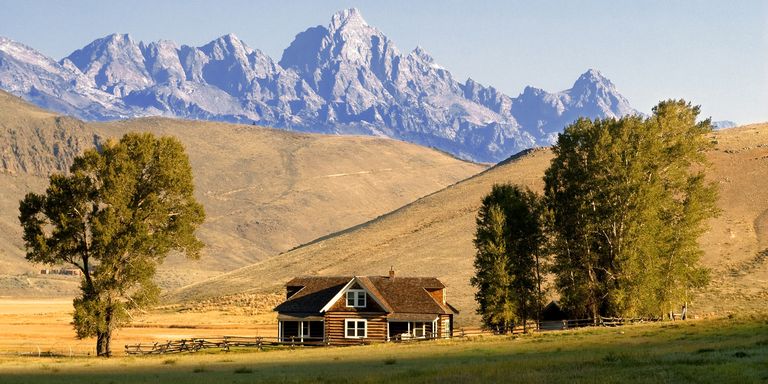
While 54% of Americans lived in rural places in 1910, that number fell to 19 percent by 2010, Zillow reported. To revive their communities, these places are hoping that everything from cash grants to paying off student loans and giving away free land will help draw a younger generation to them. But it’s not just small towns that hope to draw more people to them with these programs. Some cities like Baltimore and even entire states like Alaska will pay you to be their newest resident.
KANSAS: HOME OF TRIBUNE & HORACE

By paying off up to $15,000 worth of student loans over five years, the Rural Opportunity Zone program hopes to draw younger people to towns like Tribune, Kansas located in Kansas’ least populated counties.
“We knew we needed young people in our community, and so we were looking for opportunities to bring them back,” Christy Hopkins, community development director for Kansas’ least populated county, Greeley, where Tribune is located, told Zillow. “Since beginning the ROZ program, Greeley’s population has increased by 55 people—25 of them being direct program participants benefiting from the student loan incentives.
Only 45 minutes away from Omaha, this Iowa town will give you free land to build on if you build a house on it that is at least 1,200 square feet.
Curtis, Nebraska

If you build a single-family house in Curtis, Nebraska within a certain timeframe, you can get the lot of land it’s built on for free in the town’s Roll’n Hills addition or near the Arrowhead Meadows Golf Course.
Harmony, Minnesota

To incentivize people to build homes in this town, The Harmony Economic Development Authority has a program that will give you a cash rebate based on the final estimated market value of the new house. There are no restrictions on age or income level and rebates typically range between $5,000 and $12,000.
Baltimore, Maryland

Baltimore is not a small town, but the city’s two programs that encourage people to buy homes there are worth considering. If you qualify, Buying Into Baltimore will give you a $5,000 forgivable five-year loan, while the Vacants to Value Booster program will give you $10,000 for a down payment and closing costs if you buy property that is considered to be distressed or formerly distressed.
New Haven, Connecticut
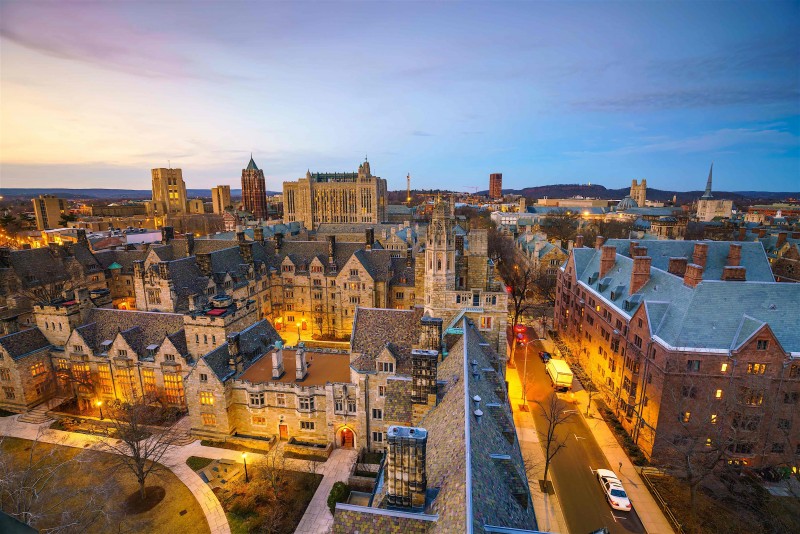
While New Haven is also not a small town, its programs for new homeowners can add up to $80,000 after you consider the $10,000 forgivable five-year loan for first-time buyers, $30,000 of renovation assistance, not to mention up to $40,000 towards college tuition.
Wyoming

If you like fixer uppers, consider Wyoming. The Wyoming Rehabilitation & Acquisition Program, takes foreclosures and abandoned houses and after rehabbing them puts them back on the market for low-income households. The state also offers another program that encourages people to fix-up older homes that need more than $15,000 worth of repairs.
Colorado

If you have a permanent disability, Colorado has a program that will help you finance your first home. The state also offers a down payment assistance grant for everyone that offers up to 4% of a first mortgage, with no repayment necessary.
Comments
Post a Comment